Table of contents
When shipping goods internationally, compliance with customs regulations is a must. One often-overlooked but necessary detail is the EORI number, which can dramatically impact the fate of your shipment. Understanding the implications of missing this identifier can save time, money, and hassle, so read on to uncover what you need to know and how to avoid common pitfalls.
Understanding the eori number
The EORI number, standing for Economic Operators Registration and Identification number, serves as a unique customs identification tool for any business or individual involved in international shipping within the European Union. Customs authorities rely on this number to streamline and track all movements of goods across borders, making it a key element in customs clearance processes. Without this identifier, the export paperwork for shipments entering or leaving the EU would become significantly more complicated, and the flow of goods would face delays or potential rejections at the border. The EORI number links all customs activities to a single profile, increasing transparency and efficiency for customs authorities and businesses alike. The European Union requires every economic operator to have an EORI number before engaging in cross-border trade, as it forms the backbone of their customs identification system and enables seamless processing for exported and imported goods. For precise and current information about the EORI number and its necessity, the most accurate resource remains the EU customs authority, which oversees the registration, validation, and enforcement of EORI compliance across member states.
Consequences of missing an eori
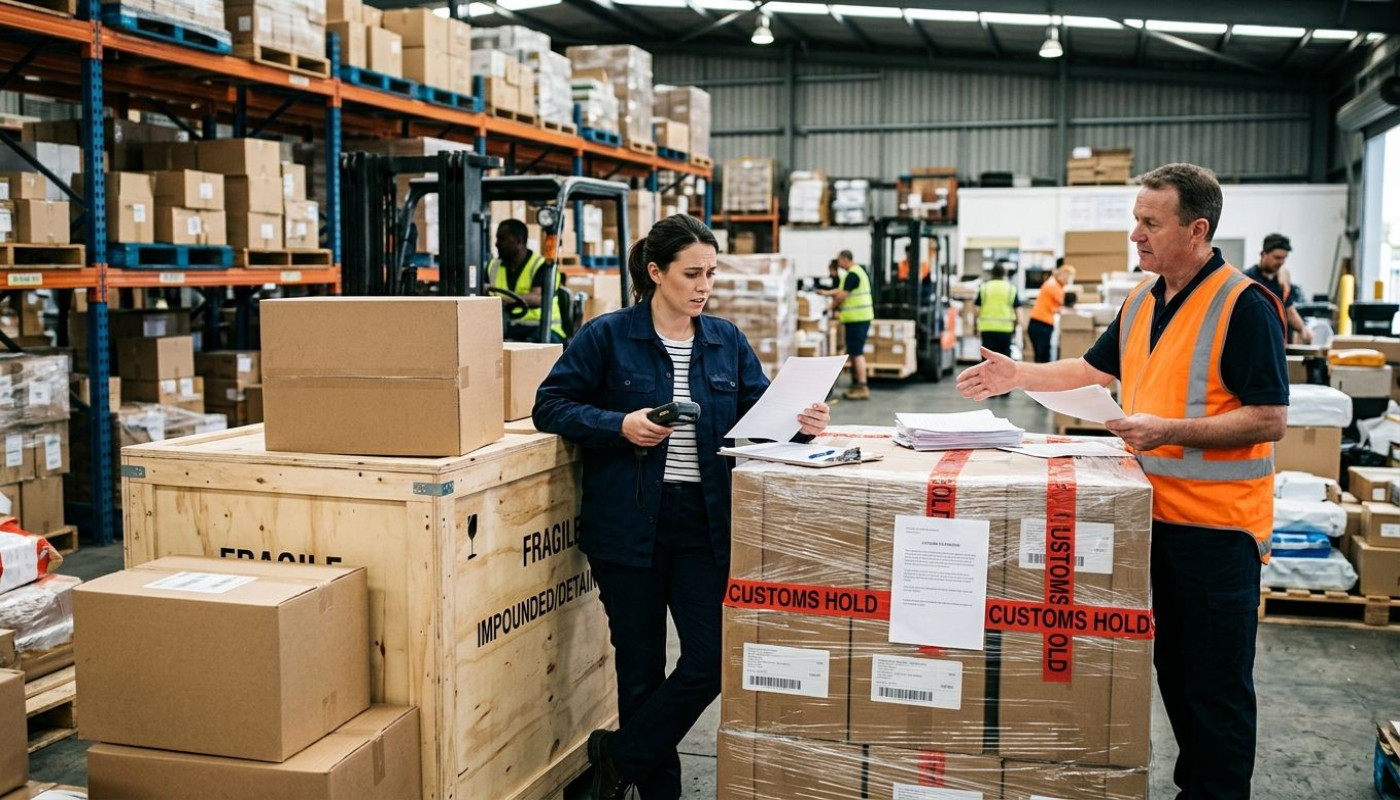
Shipping goods without an EORI number triggers immediate repercussions, including shipment delays, as cargo may be subjected to a customs hold at border control points. This lack of an EORI requirement causes disruptions in the customs clearance process, preventing freight from being processed swiftly and leading to storage fees, demurrage, or even fines. Trade regulations mandate that businesses adhere to customs compliance procedures, so missing this identifier exposes companies to further scrutiny, repeated document checks, and the risk of returned shipments. Over time, these issues accumulate, resulting in loss of trust with trading partners, increased operational costs, and jeopardizing ongoing access to international supply chains.
From the perspective of the head of international trade compliance, understanding the specific requirements for each involved country is vital. For those looking to move goods within or through the European Union, recognizing the need for an EORI in every member state is key; for example, businesses exporting to Bulgaria can find guidance on obtaining an EORI number through the dedicated resource eori Bulgaria. Adherence to trade regulations and proactive management of documentation avoid unwanted interruptions, reinforce customs compliance, and ensure smooth logistics operations across EU borders.
How customs respond to missing eori
When a shipment reaches the border and lacks an EORI number, customs intervention is immediate and unavoidable. Customs enforcement identifies the missing EORI during initial checks, triggering an automatic customs inspection. The goods are placed in a shipment on hold status, which means they cannot proceed until the issue is resolved. The chief customs officer will notify the consignee or importer, outlining that import regulations require every commercial shipment to have a valid EORI for tracking and control within the customs union. Without this identification, further processing is suspended, and the goods remain at the customs facility.
The next step involves customs authorities formally requesting additional documentation from the importer. Usually, a notification is sent specifying the need for an EORI application to be completed. Instructions for registering or submitting the EORI are provided, and the importer must act swiftly to avoid prolonged delays or storage charges. During this period, customs enforcement monitors the situation closely, and only when the correct EORI number is supplied and verified will the shipment be released from hold and cleared under relevant import regulations.
Rectifying eori number issues
When a shipment arrives without a valid EORI number, immediate action is required to ensure trade compliance and prevent delays in the import process. The initial step involves obtaining retrospective EORI registration through the national customs authority’s online portal. Applicants must provide shipment documentation such as commercial invoices, transport contracts, and proof of business registration. Once the EORI registration request is submitted, customs may require additional information to process the application, especially if the goods are already at the border. The director of customs facilitation typically outlines that customs release of the goods will not occur until the EORI number is officially issued and linked to the shipment.
The timeframe for securing an EORI number can vary depending on the country and current processing workloads, but most retrospective EORI registrations are completed within 1 to 5 working days. During this period, goods remain in temporary storage and may accrue storage fees from the logistics provider. Furthermore, customs authorities might impose administrative penalties or late declaration charges due to non-compliance with shipment documentation requirements. Prompt and accurate EORI registration is vital to streamlining customs release procedures and avoiding unnecessary costs or legal complications for future shipments.
Preventing future eori-related delays
To avoid shipment disruption, the head of export operations emphasizes that integrating EORI verification into daily logistics workflows is a cornerstone of customs best practices. Establishing a routine pre-shipment compliance review ensures every consignment is matched with a valid EORI number before departure. This systematic approach not only strengthens shipping compliance but also minimizes costly border delays. Export teams should develop a checklist that mandates EORI number verification at every relevant stage, from order processing to final shipping documentation. Embedding these steps into the standard operating procedures reinforces export readiness and builds a culture of accuracy and accountability across the supply chain.
Keeping abreast of regulatory updates is vital in the ever-changing customs landscape. Assigning a dedicated team member or subscribing to official customs communications helps ensure that any new requirements, including changes to EORI processes, are identified quickly and disseminated throughout the organization. Participation in industry seminars and ongoing staff training further supports compliance efforts. By fostering a proactive approach to EORI verification and shipping compliance, organizations can adapt swiftly to regulatory shifts and maintain seamless cross-border operations, safeguarding both reputation and customer satisfaction.
Similar

What Your Documents Say About You: Demystifying The Citizenship Application

The Quiet Power Of Interpol Yellow Notices In Missing Persons Investigations

How Do Governments Regulate Online Betting?
